

What is light gauge steel framing?
Light gauge steel framing (also called cold-formed or LGS framing) uses thin, roll-formed steel sections to make wall frames, floor systems and roof structures. Components are cut to length and labelled in the factory, then assembled on site much like timber framing.
SmartFraming supplies these framing systems made to your approved drawings. Where a project needs it, independent third-party engineering can be arranged.
What steel framing does well
The practical advantages builders, developers and homeowners tell us matter most — kept honest and appropriately qualified.
Strong and durable
High strength-to-weight steel provides robust framing for residential and commercial builds.
Straight & dimensionally stable
Roll-formed sections hold their shape, helping walls, floors and ceilings stay true.
Resists termites & pests
Steel is inorganic, so it does not attract borer, termites or other timber-boring pests.
Won’t rot
Steel framing does not rot or absorb moisture the way untreated timber can.
Non-combustible material
Steel framing is non-combustible and won’t add fuel to a fire. Overall fire performance depends on the whole building system.
Light to handle
Lighter components are easier to move and position on site, which can reduce handling time.
Precision-manufactured
Components are made to exact measurements from your approved drawings for a consistent, repeatable fit.
Less framing waste
Cutting to length in the factory keeps offcuts and on-site waste to a minimum.
Recyclable
Steel is one of the most recycled materials in the world and can be recycled again at end of life.
Faster, predictable install
Labelled, made-to-measure components support a smoother, more predictable assembly sequence.
No twist, bow or warp
Steel framing won’t twist, bow, shrink or warp with moisture the way timber can over time.
Made to measure, clearly labelled, easier to coordinate
Because every component is cut to length and labelled before it leaves the factory, the framing package arrives as an organised set of parts rather than raw lengths to measure and cut on site.
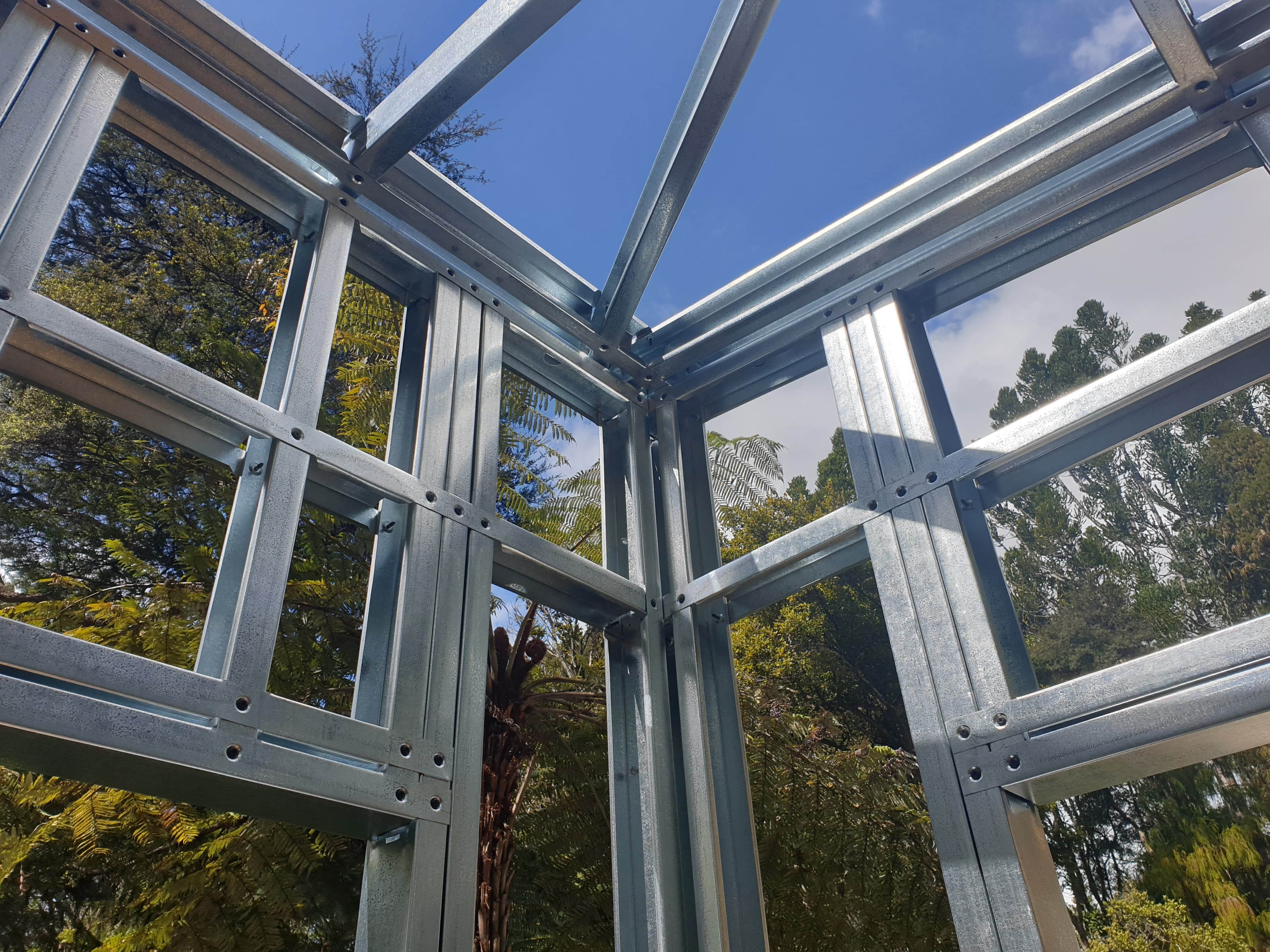
Built to stay straight and stable
Steel framing holds its shape over time. It won't take on moisture, feed pests or move the way organic timber can — which supports straight lines and consistent detailing across the life of the building.
Stays straight
Holds its shape, supporting straight walls and consistent detailing over time.
Won’t rot or absorb moisture
Inorganic steel doesn’t rot or feed mould the way damp timber can.
No food source for pests
Termites and borer have nothing to feed on in a steel frame.
Low maintenance framing
Coated steel framing is designed to perform with minimal ongoing attention behind linings.
Efficient to make, easy to recycle
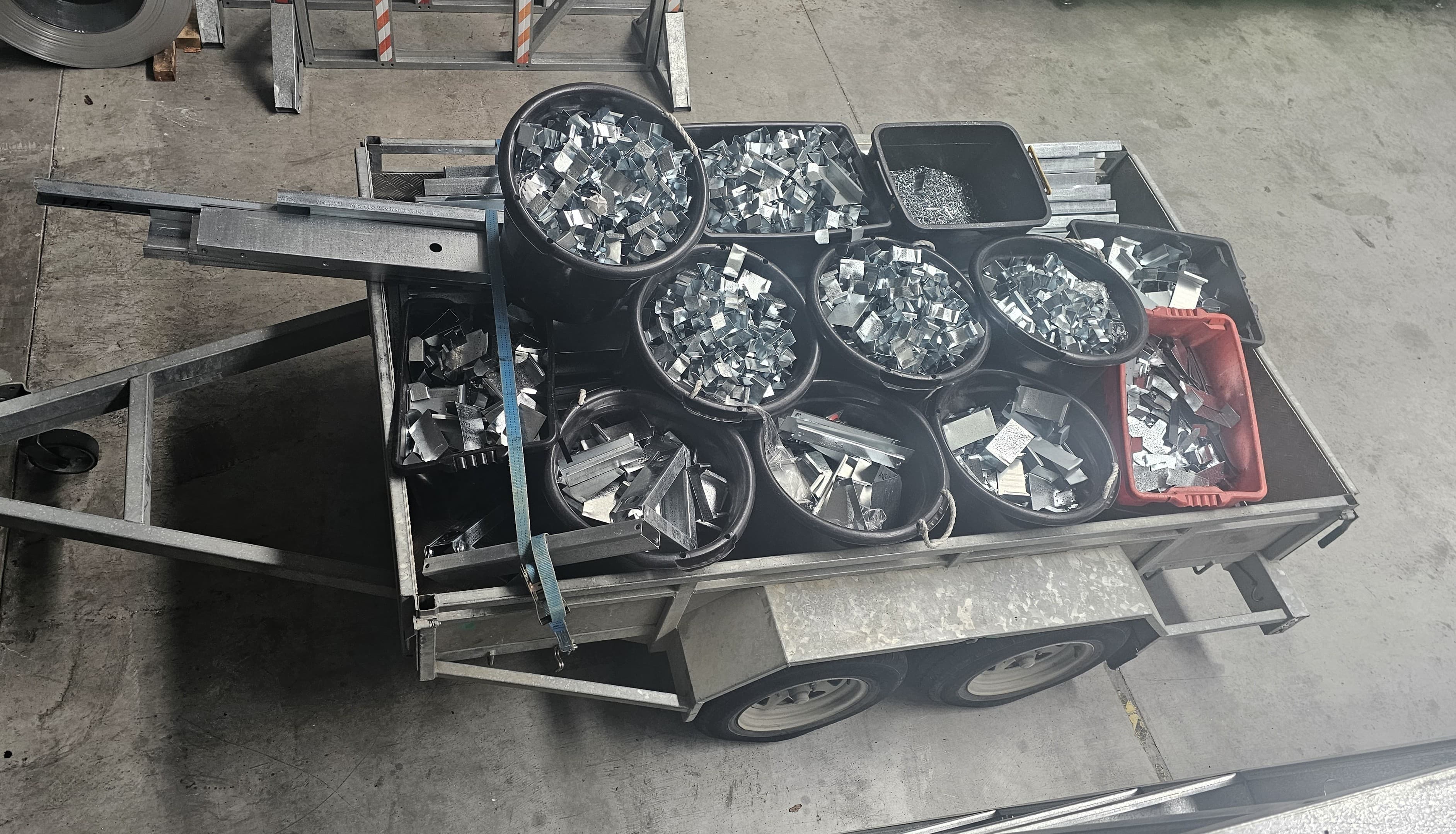
Manufacturing to exact measurements means offcuts and site waste are kept low, and steel is one of the most recycled materials in the world. These are practical efficiencies rather than a claim about a project's total environmental footprint.
Explore steel framing solutions
See how light gauge steel framing applies to your project type.
Residential Steel Framing
Wall frames, floor and roof framing for new homes, townhouses and extensions.
View residentialCommercial Steel Framing
Framing for offices, retail, industrial and larger-scale developments.
View commercialFloor Panel System
Lightweight steel floor joist systems for strength and long spans.
View floor systemsMezzanines
Steel mezzanine framing for storage platforms and workspace expansion.
View mezzaninesKitset Buildings
Pre-designed steel kitsets for sheds, garages and sleepouts.
View kitsetsSteel vs Timber
See how steel outperforms timber, factor by factor.
Compare framingYes. Light gauge steel framing is used for new homes, extensions, cabins and minor dwellings across New Zealand. Frames are made to your approved drawings and, where required, independent third-party engineering can be arranged.
Light gauge steel framing uses coated steel to resist corrosion. Appropriate coatings, careful handling and sound building design remain important, particularly in high-corrosion coastal or geothermal environments.
It depends on the project. Material pricing varies, but factors such as reduced waste, lighter handling and predictable assembly can affect the overall build cost. We recommend comparing full project costs rather than framing material alone.
Yes. Light gauge steel framing suits extensions, renovations, sleepouts, cabins and minor dwellings, as well as full residential and commercial builds.
Builders who can read construction drawings can generally assemble our frames using the supplied plans, labelled components and fixing details. No specialist trade is usually required for standard framing work.
Yes. Steel is one of the most recycled materials in the world and framing steel can be recycled again at the end of a building’s life.
Send us your plans for a free quote
Have drawings or a rough plan? Send them through and our team will confirm what we need and prepare a steel framing quote. Most quotes are sent within one business day.